
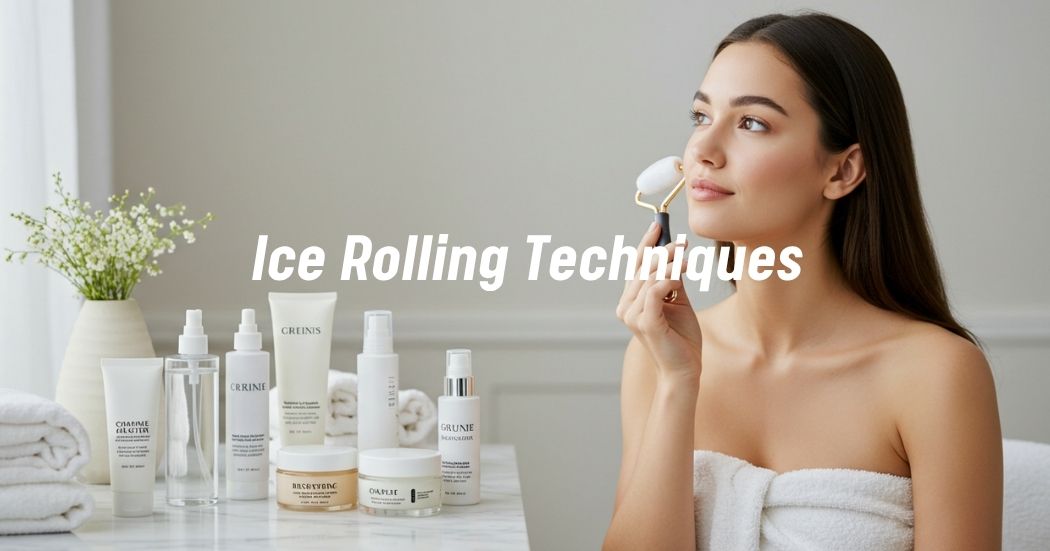
In the ever-evolving landscape of skincare, a refreshingly simple yet remarkably effective tool has captured the attention of beauty enthusiasts and professionals alike: the ice roller. This handheld device, designed to bring the power of cold therapy directly to your face, promises a multitude of benefits, from instantly reducing morning puffiness and calming inflammation to enhancing product absorption and providing a sculpted, radiant appearance. Incorporating ice rolling on face into your daily or weekly routine can be a transformative step, offering an accessible way to achieve spa-like results in the comfort of your own home.
This comprehensive guide will delve into the significant benefits of ice rolling on face, exploring six targeted techniques to help you maximize its potential. We’ll cover ideal rolling patterns, specific pressure points for enhanced results, crucial post-rolling skincare, and important safety precautions, empowering you to sculpt, soothe, and revitalize your complexion with this invigorating practice.
Disclaimer: This content is for informational purposes only and does not constitute professional advice. Please consult a qualified expert for guidance specific to your situation.
Table of Contents
- The Rise of Facial Cryotherapy: What is Ice Rolling?
- Unveiling the Benefits: How Ice Rolling Transforms Your Skin
- 6 Targeted Ice Rolling Techniques to Sculpt and Soothe
- 1. Technique for Reducing Puffiness and Inflammation (Eyes, Cheeks, Jawline)
- 2. Technique for Enhancing Circulation and Achieving a Natural Glow (Full Facial Massage)
- 3. Technique for Tightening Skin and Minimizing Pore Appearance (T-Zone & Pre-Makeup)
- 4. Technique for Improving Skincare Product Absorption
- 5. Technique for Relieving Facial Tension and Headaches (Temples, Forehead, Jaw)
- 6. Technique for Soothing Irritated or Sensitive Skin (Gentle Calming Motions)
- Mastering Your Ice Rolling Practice: A Comprehensive How-To Guide
- Choosing Your Ice Roller: Materials and Key Considerations
- Post-Rolling Skincare: Locking in the Benefits and Nurturing Your Skin
- Precautions and Best Practices for Safe and Effective Ice Rolling
- Frequently Asked Questions (FAQs) About Ice Rolling on Face
- Conclusion: Roll Your Way to Radiant, Revitalized Skin
- References
- Disclaimer
The Rise of Facial Cryotherapy: What is Ice Rolling?
Facial cryotherapy, or cold therapy, has surged in popularity as a non-invasive method to enhance skin health and appearance. While professional cryotherapy treatments exist, ice rolling on face offers an accessible and affordable way to bring these cooling benefits home. An ice roller is a simple handheld skincare tool that typically consists of a handle and a roller head that can be made from materials like stainless steel, jade, rose quartz, or gel-filled plastic. This roller head is designed to be chilled in a freezer or refrigerator before being gently rolled over the skin.
The Science of Localized Cold Therapy for Skin:
The efficacy of ice rolling is rooted in the skin’s physiological response to cold:
- Vasoconstriction: Immediate exposure to cold causes superficial blood vessels (capillaries) in the skin to narrow. This reduces blood flow to the area, which helps decrease redness and swelling.
- Reduced Inflammation: Cold temperatures can inhibit the release of inflammatory mediators in the skin, calming irritation and soothing conditions like acne or general sensitivity.
- Fluid Dynamics: The cold can help reduce fluid buildup (edema) in tissues by constricting vessels and potentially stimulating lymphatic drainage through the gentle massage action, leading to a de-puffed appearance.
- Rebound Vasodilation (Reactive Hyperemia): After the cold stimulus is removed and the skin begins to rewarm, the blood vessels often dilate more than their baseline state. This temporary increase in blood flow brings a surge of oxygen and nutrients to the skin cells, promoting a healthy glow.
- Sensory Nerve Effect: Cold can temporarily desensitize nerve endings, providing relief from itching or minor pain.
Why Ice Rolling is Popular:
Ice rollers have gained a dedicated following due to their:
- Accessibility and Affordability: Compared to professional treatments, ice rollers are a one-time purchase that can be used repeatedly.
- Ease of Use: They are simple to incorporate into any skincare routine.
- Visible (Often Immediate) Results: Benefits like de-puffing and a refreshed appearance can often be seen right away.
- Soothing Sensation: The cooling massage feels pleasant and invigorating on the skin.
Unveiling the Benefits: How Ice Rolling Transforms Your Skin
Before we delve into specific techniques, let’s summarize the key ways that consistent and correct ice rolling on face can transform your skin:
- Sculpts and De-Puffs: By reducing fluid retention and inflammation, ice rolling can help define facial contours, especially around the jawline and cheekbones, and significantly diminish morning puffiness or under-eye bags.
- Calms and Soothes: The cold provides immediate relief for irritated, inflamed, or sensitive skin, reducing redness and discomfort.
- Boosts Radiance: Enhanced circulation from the cold followed by rewarming brings a healthy, natural glow to the complexion.
- Refines Texture: Temporary tightening of the skin and pores can lead to a smoother, more even-textured appearance.
- Enhances Product Efficacy: Using an ice roller can potentially improve the absorption and effectiveness of your serums and moisturizers.
- Relieves Tension: The gentle massaging action combined with cold can soothe facial muscle tension and even alleviate tension headaches.
These multifaceted benefits of ice rolling on face make it a valuable addition to a comprehensive skincare strategy.
6 Targeted Ice Rolling Techniques to Sculpt and Soothe
To truly maximize the benefits of ice rolling on face, it’s not just about randomly rolling; it’s about using targeted techniques for specific concerns. Here are six approaches, incorporating ideal rolling patterns and focusing on pressure points where applicable.
1. Technique for Reducing Puffiness and Inflammation (Eyes, Cheeks, Jawline)
- The Goal/Benefit Explained: This technique aims to visibly reduce swelling and fluid retention, particularly noticeable under the eyes after waking up, around the cheeks, or along the jawline. It also helps calm overall facial inflammation.
- Ideal Rolling Pattern & Pressure Points:
- Under Eyes: Use very light pressure. Start from the inner corner of your under-eye area and gently roll outwards towards your temples. Repeat 3-5 times per eye. You can also gently hold the chilled roller on puffy areas for a few seconds (without dragging).
- Cheeks: Start near your nose and roll outwards and slightly upwards across your cheekbones towards your hairline/ears. Repeat 3-5 times on each cheek. This path aligns with lymphatic drainage patterns.
- Jawline: Start at the center of your chin and roll upwards along your jawline towards your earlobe. Repeat 3-5 times on each side. This helps to define and de-puff the lower face.
- Mechanism: The cold causes vasoconstriction, reducing blood flow and fluid leakage. The gentle rolling motion encourages lymphatic drainage, helping to move trapped fluids away from the puffy areas.
- When to Use: Ideal in the morning to combat overnight puffiness. Also beneficial after consuming salty foods, after crying, or when experiencing allergy-related facial swelling.
2. Technique for Enhancing Circulation and Achieving a Natural Glow (Full Facial Massage)
- The Goal/Benefit Explained: This technique focuses on invigorating the entire face to boost blood circulation, which delivers oxygen and vital nutrients to skin cells, resulting in a healthy, natural, rosy glow.
- Ideal Rolling Pattern & Pressure Points:
- Forehead: Start at the center of your forehead and roll outwards towards your temples. Then, roll vertically from your brows up to your hairline.
- Cheeks: As above, from the nose outwards and upwards towards the ears.
- Chin and Jawline: From the center of the chin, roll along the jawline to the ears, and then upwards from the jawline over the lower cheeks.
- Nose: Gently roll down the bridge of the nose and along the sides.
- Neck (Optional but Recommended): Roll downwards from the jawline along the sides of the neck towards the collarbone to further encourage lymphatic drainage.
- Use slightly more brisk (but still gentle) movements than for de-puffing to stimulate circulation.
- Mechanism: The cold initially constricts blood vessels, and as the skin rewarms, a rebound vasodilation occurs, bringing a flush of fresh blood to the surface. The massage action further stimulates flow.
- When to Use: Any time you want to revive a dull complexion, typically in the morning or before an event.
3. Technique for Tightening Skin and Minimizing Pore Appearance (T-Zone & Pre-Makeup)
- The Goal/Benefit Explained: This technique aims to temporarily tighten the skin and reduce the visible appearance of pores, creating a smoother, more refined complexion, especially beneficial before makeup application.
- Ideal Rolling Pattern & Pressure Points:
- T-Zone (Forehead, Nose, Chin): Concentrate rolling in these typically oilier areas where pores are often more prominent. Roll across the forehead, down the nose, and over the chin using short, gentle strokes.
- Overall Face: After focusing on the T-zone, perform a quick overall facial roll using upward and outward motions to achieve a general tightening effect.
- Mechanism: The cold causes temporary vasoconstriction and a tightening sensation on the skin’s surface, which makes pores appear smaller. Reduced inflammation around pores also contributes to a more refined look.
- When to Use: Excellent as a pre-makeup step to create a smoother canvas. Also useful for individuals with oily skin to temporarily reduce surface oiliness.
4. Technique for Improving Skincare Product Absorption
- The Goal/Benefit Explained: While the science is still debated on the extent, some believe that using an ice roller after applying certain skincare products (like serums or sheet masks) can help enhance their penetration and effectiveness by calming the skin and potentially “pushing” products in with the gentle massage. The cold can also provide a soothing finish to your routine.
- Ideal Rolling Pattern & Pressure Points:
- Method 1 (After Serums/Essences): After cleansing and toning, apply your chosen lightweight hydrating or treatment serum/essence. Allow it to absorb for a minute, then gently roll your chilled ice roller over your face using upward and outward strokes. This can help the product feel like it’s melding with the skin and provides a cooling seal.
- Method 2 (Over a Sheet Mask): Place your sheet mask on as usual. Then, gently roll the ice roller over the sheet mask. This feels incredibly refreshing, helps the mask adhere better, and can enhance the cooling and de-puffing benefits of the mask itself.
- Mechanism: The cooling effect can be calming after applying active ingredients. The gentle massage may aid in even distribution and some level of deeper penetration, though this is primarily for product experience and soothing rather than a scientifically proven massive absorption boost for all ingredients.
- When to Use: As a final step after applying serums or during a sheet mask treatment.
5. Technique for Relieving Facial Tension and Headaches (Temples, Forehead, Jaw)
- The Goal/Benefit Explained: The combination of cold and gentle massage can be very effective in alleviating tension held in facial muscles, which can contribute to tension headaches or jaw discomfort (like from TMJ or teeth grinding).
- Ideal Rolling Pattern & Pressure Points:
- Temples: Use very gentle circular or back-and-forth motions over the temples.
- Forehead: Roll horizontally across the forehead and vertically between the eyebrows (targeting the “11” lines or corrugator muscles where tension often accumulates).
- Jawline and Masseter Muscles: Gently roll along the jawline and over the masseter muscles (the large chewing muscles at the angle of your jaw). If you clench your jaw, this area can be particularly tender and benefit from cold massage.
- Back of Neck (Base of Skull): Rolling here can also help relieve tension headaches that originate from neck strain.
- Mechanism: The cold helps to numb nerve endings and reduce inflammation in tense muscles. The gentle massage action can help to physically release muscle tightness.
- When to Use: Whenever you feel facial tension, are experiencing a tension headache, or after a stressful day.
6. Technique for Soothing Irritated or Sensitive Skin (Gentle Calming Motions)
- The Goal/Benefit Explained: For skin that is mildly irritated, red (but not from rosacea flare if cold is a trigger), or slightly inflamed (e.g., after mild sun exposure, a reaction to a new product, or a minor breakout), ice rolling can provide immediate calming and soothing relief.
- Ideal Rolling Pattern & Pressure Points:
- Use EXTREMELY GENTLE pressure. The goal is to cool and calm, not to further irritate.
- Employ slow, deliberate, gliding motions. Avoid vigorous back-and-forth rubbing.
- Roll outwards from the center of the face.
- You can also gently “press and hold” the chilled roller on particularly inflamed spots for a few seconds.
- Consider rolling over a thin, damp, cool cloth or a very gentle, calming sheet mask if direct rolling feels too intense.
- Mechanism: The cold constricts blood vessels to reduce redness and inflammation, and desensitizes nerve endings to reduce itching or discomfort.
- When to Use: When skin feels generally irritated, looks flushed (not due to rosacea if cold is a trigger), or after minor skin stressors. Always patch test and proceed with caution on very sensitive or reactive skin.
Mastering Your Ice Rolling Practice: A Comprehensive How-To Guide
To achieve the best and safest benefits of ice rolling on face, follow these comprehensive steps:
Preparation is Key:
- Cleanse Your Face Thoroughly: Always begin with a freshly cleansed face. Use your regular gentle cleanser to remove all traces of makeup, sunscreen, dirt, and oils. This prevents you from rolling impurities into your pores and ensures the ice roller can work directly on clean skin. Pat your skin dry.
- Chill Your Ice Roller Properly:
- Material Matters: Stainless steel and gel-filled rollers can typically be stored in the freezer for intense cold. Stone rollers (jade, rose quartz) can be kept in the refrigerator for a gentler cool or briefly in the freezer (be cautious, as some stones can become brittle if too cold or may not retain extreme cold as well as steel).
- Duration of Chilling: Most rollers need at least 15-30 minutes in the freezer to become sufficiently cold. Some people store their roller in the freezer permanently in a clean bag or container. Refer to the manufacturer’s instructions for your specific roller.
- Optional: Apply a Lightweight Serum or Facial Mist (Use Your Judgment):
- Pros: Applying a thin layer of a hydrating serum, essence, or facial mist before rolling can provide some “slip,” allowing the roller to glide more smoothly over the skin. It may also aid in product absorption for some.
- Cons: Some prefer to roll on completely bare, clean skin to get the maximum direct effect of the cold for vasoconstriction and de-puffing, and then apply products afterward. If your skin is very sensitive, rolling over a product might cause irritation if the product is pushed in too aggressively.
- Recommendation: If new to ice rolling, try it on bare, clean skin first. If you find it drags, you can experiment with a very light layer of a simple hydrating mist or serum. Avoid rolling over thick creams or oils initially.
The Rolling Process – General Principles for Effective Ice Rolling on Face:
- Direction of Movement – Upwards and Outwards: This is the golden rule.
- Always roll in an upward and outward direction, working against gravity.
- Start from the center of your face and roll towards the periphery (hairline, ears). This pattern generally follows the natural lymphatic drainage pathways of the face, helping to move excess fluid away.
- Pressure – Gentle Does It:
- Use light to moderate pressure. You should not be pressing hard or causing any pain. Let the weight of the roller and the cold temperature do the work.
- Be especially gentle around the delicate eye area.
- Duration per Area and Total Session Time:
- Make a few (e.g., 2-4) passes over each section of your face.
- Avoid holding the roller stationary on any single spot for more than a few seconds, especially if it’s extremely cold from the freezer.
- A total facial ice rolling session typically lasts between 5 to 15 minutes. Listen to your skin; if it starts to feel uncomfortably numb or irritated, it’s time to stop.
- Suggested Rolling Sequence (Adapt to Your Needs):
- Forehead: Start at the center of your forehead, just above your eyebrows. Roll outwards towards your temples. Repeat. Then, make vertical strokes from your eyebrows up towards your hairline.
- Temples: Use gentle circular or outward strokes over the temples if you’re targeting tension.
- Under Eyes (Very Gently!): Start from the inner corner of your under-eye area and roll very gently outwards towards your temples. Do not press hard.
- Cheeks: Start from the sides of your nose and roll outwards and slightly upwards across your cheekbones towards your hairline or ears.
- Nose: Gently roll down the bridge of your nose and then along the sides.
- Nasolabial Folds (Smile Lines): Roll upwards and outwards from the corners of your mouth towards your ears.
- Chin and Jawline: Start at the center of your chin. Roll outwards along your jawline up towards your earlobes.
- Neck and Décolleté (Optional but Beneficial): For the neck, roll downwards from the jawline along the sides of the neck towards your collarbone to assist lymphatic drainage. You can also roll upwards on the front of the neck towards the chin. The décolleté can also benefit from gentle upward and outward rolls.
Cleaning Your Ice Roller – An Essential Step:
- Why: Hygiene is paramount to prevent the transfer of bacteria, skin cells, and product residue back onto your skin, which could lead to breakouts or infections.
- How and When: Clean your ice roller after every single use.
- Wash the roller head thoroughly with gentle soap and warm water.
- You can also wipe it down with an alcohol wipe (70% isopropyl alcohol) for disinfection.
- Ensure it is completely dry before placing it back in its storage bag or container and returning it to the freezer or refrigerator.
Choosing Your Ice Roller: Materials and Key Considerations
Not all ice rollers are created equal. The material, size, and design can influence the experience and benefits:
- Stainless Steel Rollers:
- Pros: Highly durable, naturally hygienic (non-porous), easy to clean thoroughly. They get very cold in the freezer and tend to retain that cold for a significant duration, making them excellent for de-puffing and providing an intense cooling sensation.
- Cons: Can feel very cold initially, so a brief moment to let the “frost” subside might be needed for some.
- Jade Rollers:
- Pros: Jade is a traditional stone in Chinese skincare, believed to have calming, balancing, and soothing energetic properties (though these are not scientifically proven, the coolness and massage are beneficial). It feels smooth on the skin and stays naturally cool (though it won’t get as icy cold or stay as cold as stainless steel when frozen).
- Cons: Jade is somewhat porous and can be fragile if dropped. It doesn’t hold extreme cold for as long as steel. Requires gentle cleaning.
- Rose Quartz Rollers:
- Pros: Similar to jade, rose quartz is associated with love, self-care, and soothing energy in crystal healing traditions. It also stays naturally cool and feels smooth.
- Cons: Similar to jade regarding porosity, fragility, and cold retention.
- Gel-Filled Rollers (Often with a Plastic or Silicone Head):
- Pros: These rollers contain a gel that can be frozen, allowing them to stay cold for a considerable time. The roller head is often smooth.
- Cons: The plastic/silicone head might not glide as smoothly as stone or steel for some. Durability of the casing can be a concern.
- Ice Molds Specifically for Facial Icing:
- These are silicone molds that you fill with water (or infused liquids) and freeze to create custom-shaped ice “rollers” or massage tools for direct (but always moving) application.
- Pros: Customizable infusions, very direct cold.
- Cons: Melts, can be drippy, requires a barrier (like a thin cloth) for prolonged direct contact to avoid ice burn.
- Factors to Consider When Choosing:
- Material: Based on desired cold intensity, durability, and personal preference.
- Size and Shape of Roller Head: Smaller heads are better for the eye area, while larger heads cover more surface area quickly on cheeks and forehead. Some rollers are dual-ended.
- Handle Ergonomics: Ensure it’s comfortable to hold and maneuver.
- Price: Ranges from budget-friendly to more luxurious.
- Ease of Cleaning.
Post-Rolling Skincare: Locking in the Benefits and Nurturing Your Skin
What you do after your ice rolling on face session is just as important as the rolling itself for maximizing benefits and maintaining skin health. The cold treatment prepares your skin to effectively receive subsequent products.
- Immediate Aftermath – What to Expect:
- Your skin will likely feel cool, refreshed, and possibly a bit tingly.
- You may notice a temporary rosy flush as blood flow returns to the area (reactive hyperemia) – this is a good sign of stimulated circulation.
- Puffiness should be visibly reduced, and pores may appear tighter.
- Pat Dry Gently:
- If there’s any moisture left on your skin from condensation or a pre-applied mist, gently pat it dry with a soft, clean towel. Avoid rubbing.
- Apply Hydrating Serums:
- This is an ideal time to apply lightweight, hydrating serums. Ingredients like hyaluronic acid (a powerful humectant that draws moisture into the skin), glycerin, or panthenol (Pro-Vitamin B5) will help to replenish any moisture and soothe the skin.
- Use Targeted Treatment Serums:
- If you use specific treatment serums (e.g., Vitamin C serum for antioxidant protection and brightening, niacinamide serum for pore refinement and calming), apply them now. Some believe the enhanced circulation and temporarily “awakened” skin might be more receptive to active ingredients, though this effect is subtle.
- Lock it in with Moisturizer:
- Follow up with your usual moisturizer appropriate for your skin type. This helps to seal in the hydration from your serums and provides a protective barrier for your skin.
- Sunscreen (If It’s Morning/Daytime):
- This is a non-negotiable final step if you’ve performed your ice rolling routine in the morning. Protecting your newly refreshed and potentially slightly sensitized skin from UV damage is crucial. Apply a broad-spectrum sunscreen with an SPF of 30 or higher.
Avoid Harsh Products Immediately After Rolling:
It’s generally best to avoid applying potentially irritating active ingredients like strong chemical exfoliants (AHAs, BHAs), retinoids, or physical scrubs immediately after an intense ice rolling session, especially if your skin feels very cold or sensitive. Allow your skin to return to its normal temperature and state before applying these more potent products, or apply them at a different time of day (e.g., retinoids at night if you ice roll in the morning).
Precautions and Best Practices for Safe and Effective Ice Rolling
While ice rolling on face is generally safe for most people when done correctly, adhering to best practices and being aware of precautions will ensure you achieve benefits without adverse effects.
- Never Use an Ice Roller on Broken, Irritated, or Infected Skin: Avoid rolling over open wounds, active acne lesions that are raw or oozing, cold sores, or any area with an active skin infection, unless specifically directed by a dermatologist for a particular therapeutic purpose (which is rare for home use).
- Don’t Roll Aggressively or for an Excessive Duration: Gentle pressure and controlled movements are key. Rolling too hard or for too long (e.g., more than 15-20 minutes for a full face session) can lead to skin irritation, excessive redness, or even mild frostnip in extreme cases (though less likely with rollers than direct ice).
- Always Keep the Roller Moving: Never hold a very cold roller stationary on one spot for more than a few seconds. Continuous movement prevents any single area from getting too cold too quickly.
- Clean Your Ice Roller Religiously After Every Use: This is critical for hygiene. Bacteria and skin cells can accumulate on the roller. Wash it with gentle soap and warm water, then dry it thoroughly. You can also wipe it down with an alcohol wipe (70% isopropyl alcohol) for disinfection before storing it back in the freezer or refrigerator in a clean bag or container.
- Listen to Your Skin – Your Best Guide: This is the most important rule.
- If the cold feels painful rather than just bracingly cool, stop or reduce the coldness of your roller (e.g., let it sit out for a minute or two from the freezer).
- If your skin becomes excessively red, develops welts (unless you have known cold urticaria, in which case you should avoid it), feels burningly painful, or stays numb for an extended period, discontinue use and allow your skin to recover.
- If you experience any persistent adverse reactions, consult a dermatologist.
- Caution with Specific Skin Conditions:
- Rosacea: While the anti-inflammatory effect of cold can be beneficial for some aspects of rosacea (like reducing flushing and calming papules), extreme cold can also be a trigger for flare-ups in other individuals. If you have rosacea, consult your dermatologist before trying ice rolling. If they approve, start with a roller chilled in the refrigerator (not freezer), use for very short durations (1-2 minutes), with extremely gentle pressure, and monitor your skin’s reaction closely.
- Eczema or Psoriasis: Similar to rosacea, cold might soothe inflammation for some during a flare but could potentially irritate very dry, cracked, or sensitive eczematous/psoriatic skin. Proceed with extreme caution and medical advice.
- Very Sensitive Skin: Always start with shorter sessions, less intense cold (fridge-chilled), and observe your skin’s reaction carefully.
- Avoid if You Have Cold Urticaria: This is a condition where exposure to cold triggers hives. Ice rolling would clearly be contraindicated.
- Be Aware of Sensation: It’s normal for the skin to feel very cold and possibly tingle during ice rolling. However, it should not be painful. If you lose all sensation or feel a burning pain, stop.
By adhering to these precautions, you can make ice rolling a safe and beneficial part of your skincare ritual.
Frequently Asked Questions (FAQs) About Ice Rolling on Face
Q1: How often should I use an ice roller on my face for the best results?
A: The ideal frequency depends on your skin type, sensitivity, and your specific skincare goals:
* For Daily De-Puffing and Priming: Many people with normal to oily skin find that a quick ice rolling session (2-5 minutes) every morning works well to reduce puffiness, tighten pores, and prepare skin for makeup.
* For General Soothing and Radiance: Using an ice roller 2-3 times per week can provide noticeable benefits in terms of calming inflammation and boosting circulation.
* As Needed: You can also use it on an as-needed basis – for example, to soothe a specific blemish, calm skin after sun exposure (once skin isn’t acutely sunburned), or relieve a tension headache.
Always start with a lower frequency (e.g., once or twice a week) to see how your skin responds, especially if you have sensitive skin, and then adjust accordingly.
Q2: Can ice rolling really improve the absorption of my skincare products?
A: The theory behind this is twofold:
1. Enhanced Circulation: The rebound vasodilation (increased blood flow) after cold exposure might make the skin slightly more receptive to absorbing ingredients.
2. “Pushing” Product In / Reduced Evaporation: The gentle massage action of the roller could help to evenly distribute product and encourage its contact with the skin. Additionally, cooling the skin can slow down the evaporation rate of some water-based serums, theoretically giving them more time to penetrate.
While ice rolling definitely helps create a smoother canvas and can feel great when done over a sheet mask or after a serum, the extent to which it dramatically increases penetration of all types of molecules is still a subject of discussion and depends on the product’s formulation. However, the cooling and de-puffing effects combined with your products can certainly lead to an enhanced overall result and a more pleasant application experience.
Q3: What’s the main difference between using an ice roller and just applying ice cubes wrapped in a cloth?
A: Both methods utilize cold therapy, but there are differences:
* Ice Roller:
* Pros: Provides more even and consistent pressure and temperature distribution. The rolling action adds a massage element that can aid lymphatic drainage. Generally less messy (no dripping water). Reusable tool. Materials like stainless steel or gel can retain cold for a longer, more controlled duration.
* Cons: Requires purchasing a specific tool. Needs to be cleaned after each use.
* Wrapped Ice Cubes:
* Pros: Highly accessible (most people have ice and a cloth). Can be very intensely cold. Can be molded slightly to fit facial contours.
* Cons: Can be drippy and messy as ice melts. The cloth barrier needs to be just right – too thin risks ice burn, too thick reduces effectiveness. Ice melts relatively quickly, requiring frequent changes for a longer session. Harder to achieve a consistent gliding massage.
Q4: Can ice rolling help with contouring my jawline or giving me a “snatched” look?
A: Ice rolling can contribute to a temporarily more defined and sculpted facial appearance, including the jawline. This is primarily due to:
* De-Puffing: Reducing fluid retention and puffiness along the jawline and lower face can create a sharper, more defined look.
* Skin Tightening: The cold provides a temporary tightening effect on the skin.
* Lymphatic Drainage: The upward and outward rolling motions can help to gently encourage lymphatic drainage, further reducing puffiness.
While ice rolling won’t change your bone structure or permanently alter fat distribution, regular use can certainly help maintain a less puffy and more toned appearance, contributing to that “snatched” look by minimizing temporary swelling.
Q5: Should I use my ice roller before or after applying my serums and moisturizer?
A: This depends on your primary goal for that session:
* Rolling Before Serums (on clean, bare skin): This is often recommended if your main goals are to de-puff, reduce inflammation, tighten pores, and invigorate the skin. After rolling, your skin is primed and refreshed, ready for your serums and moisturizer.
* Rolling Over a Product (e.g., Sheet Mask or Light Serum): Some people like to roll over a hydrating sheet mask to enhance its cooling effect and help the essence penetrate. If rolling over a serum, ensure it’s a lightweight, hydrating one that provides good “slip.” The cold can feel soothing and may help with even distribution.
* Rolling After a Light Serum (to “push it in”): After applying a serum and letting it absorb for a moment, a very gentle roll might help it feel more deeply worked into the skin, though direct penetration enhancement is debated.
Avoid rolling over very thick creams or oils, as this can create a messy buildup on the roller and might not feel as effective. Most commonly, ice rolling is done on clean skin before the bulk of the leave-on skincare routine.
Conclusion: Roll Your Way to Radiant, Revitalized Skin
The benefits of ice rolling on face are compelling, offering a simple, accessible, yet remarkably effective addition to almost any skincare routine. From its power to instantly de-puff and awaken tired skin, to its ability to calm inflammation, enhance circulation for a natural glow, temporarily tighten pores for a smoother canvas, and even soothe facial tension, this cooling ritual is a true multitasker.
By understanding the targeted techniques—whether you’re aiming to sculpt your jawline, soothe irritated blemishes, or prime your skin for flawless makeup—and by mastering the proper application methods, you can transform your ice rolling on face practice into a spa-worthy experience at home. Remember to choose a quality roller that suits your needs, always prioritize safety by keeping the roller clean and moving, listen to your skin’s feedback, and follow up with appropriate post-rolling skincare to lock in the benefits.
With consistent and correct use, the ice roller can become an indispensable tool in your quest for a radiant, refreshed, and beautifully revitalized complexion.
References
- Beauty Bay. (n.d.). 7 Benefits of Using an Ice Roller On Your Skin & How To Use One. Retrieved from https://www.beautybay.com/edited/benefits-of-using-an-ice-roller/
- Comfort Zone Skincare. (n.d.). Rolling with Benefits: Ice Rolling Your Skin. Retrieved from https://world.comfortzoneskin.com/blogs/blog/benefits-of-ice-rolling
- Vogue. (n.d.). Should You Be Putting Ice on Your Face? Experts Say Yes—And Reveal the Best Ways to Do It. Retrieved from https://www.vogue.com/article/ice-cubes-best-skincare-trick-pore-shrinking-acne-cure-beauty-benefits (While about ice cubes, principles are related)
- Healthline. (n.d.). What Are the Benefits of Using an Ice Roller on Your Face?
- Byrdie. (n.d.). Ice Rollers Are All Over Instagram, But Do They Actually Work?
Disclaimer
The information provided in this article, “Benefits of Ice Rolling on Face: 6 Targeted Techniques to Sculpt and Soothe,” is for educational and general informational purposes only. It is not intended as, and should not be considered a substitute for, professional medical advice, diagnosis, or treatment from a qualified dermatologist or healthcare provider. Individual skin types, conditions, and sensitivities vary, and responses to skincare treatments like ice rolling can differ.
Always consult with a dermatologist or another qualified healthcare provider with any questions you may have regarding a specific skin concern, medical condition, or before starting any new skincare treatments or practices. Never disregard professional medical advice or delay in seeking it because of something you have read in this article.
Particular caution should be exercised by individuals with sensitive skin, rosacea, broken capillaries, open wounds, active skin infections, or other pre-existing skin or medical conditions. If you experience any adverse reactions such as excessive redness, pain, blistering, persistent numbness, or irritation after using an ice roller, discontinue use immediately and consult a healthcare professional. Avoid applying excessive pressure or holding the ice roller stationary on the skin for prolonged periods to prevent irritation or potential cold injury. The author and publisher of this content are not responsible or liable for any advice, course of treatment, diagnosis, or any other information, services, or products that you obtain through this article. This article does not establish a doctor-patient relationship.